San Francisco – I was at the 2025 Big Game (football) in Palo Alto, Cal vs Stanford, and during halftime I had an interesting conversation while in a long line for refreshments with “Evelyne”, a Stanford graduate student from Francophone West Africa who studied threatened languages from her region. After the initial jostling of school pride, she was wearing Cardinal red and I was wearing my old Berkeley MBA blue shirt, she asked me what do I work on, and I told her that I ran a website on digital immortality and operate senior living communities. Anyways, I connected the dots and asked her, could digital immortality technology help preserve languages, culture, traditions, oral histories in communities losing touch with their heritage in a modern world?
The answer from Evelyne was yes.
**We exchanged contact information by tapping each others’ phone, but I can’t seem to find her contact so, lesson to you all that you can’t just search recently added numbers.
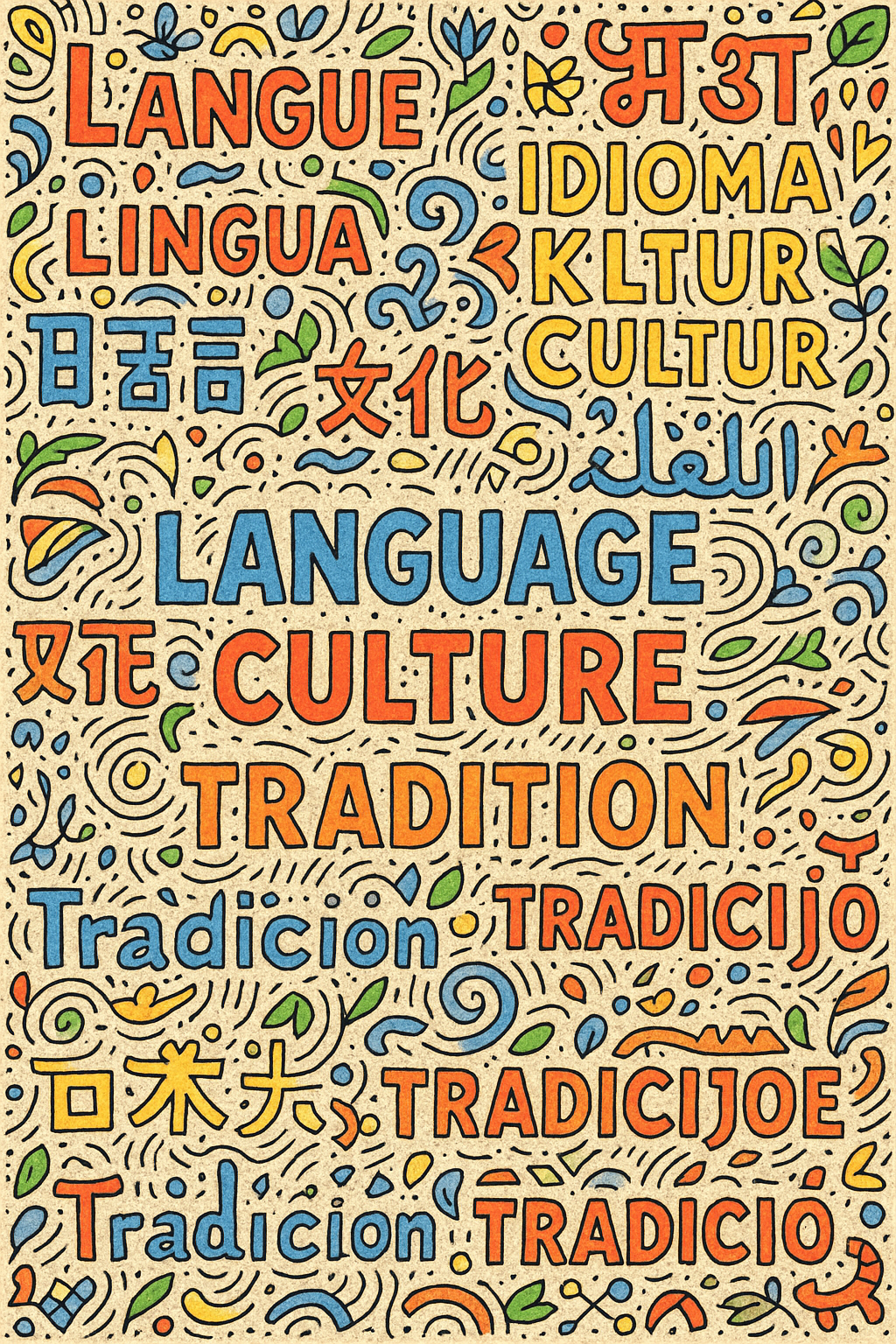
The potential use case is clear. Digital immortality could be a way to preserve heritage from fading away due to globalization, migration, and aging communities.
According to UNESCO, linguists estimate that nearly half of the world’s 7,000 languages may disappear by the end of this century. Language is not just words, but tonal patterns, gestures, stories, etc.
Digital immortality is more than an archive. It is the creation of alive, responsive, interactive digital entities built on real human data—voice, memories, values, gestures, stories, and lived experiences. What started as a futuristic concept is rapidly becoming a practical tool to preserve not just individuals, but entire cultures.
Contact me if you are interested in working on something like this. We can see how the digital immortality industry can do to help. Please mention in your message what you are thinking.
Contact Us
[gravityform id=”3″ ajax=”true”]